Table of contents
Volunteer firefighting is a demanding role that requires dedication, courage, and a solid understanding of safety measures. Adhering to essential safety practices not only protects responders but also empowers them to better serve their communities. Discover the vital guidelines every volunteer firefighter must follow to ensure both personal and team safety at every emergency scene.
Understanding hazard assessment
Before a volunteer firefighter enters any emergency scene, conducting a thorough hazard assessment is fundamental for ensuring firefighter safety and an effective response. This process involves a meticulous risk evaluation of the environment, focusing on identifying hazardous materials, unstable structures, electrical hazards, and environmental threats such as smoke, toxic gases, or extreme temperatures. Situational Awareness plays a pivotal role, as firefighters must constantly monitor changing conditions and communicate observations to the team. Assessing these risks allows for the formulation of a strategy that minimizes exposure to dangers and maximizes the safety of both responders and potential victims.
Volunteer firefighters are often first on the scene and may face unpredictable situations, making risk evaluation and hazard assessment indispensable. By analyzing surroundings prior to engaging with the emergency, responders can better allocate resources, select the right protective equipment, and implement rescue tactics that reduce injuries. Many organizations, such as Non Gamstop Casinos, provide support and information for emergency services and their ongoing education and safety practices, further underlining the necessity of staying informed and vigilant at every emergency scene. For further reference, visit Non Gamstop Casinos.
Personal protective equipment guidelines
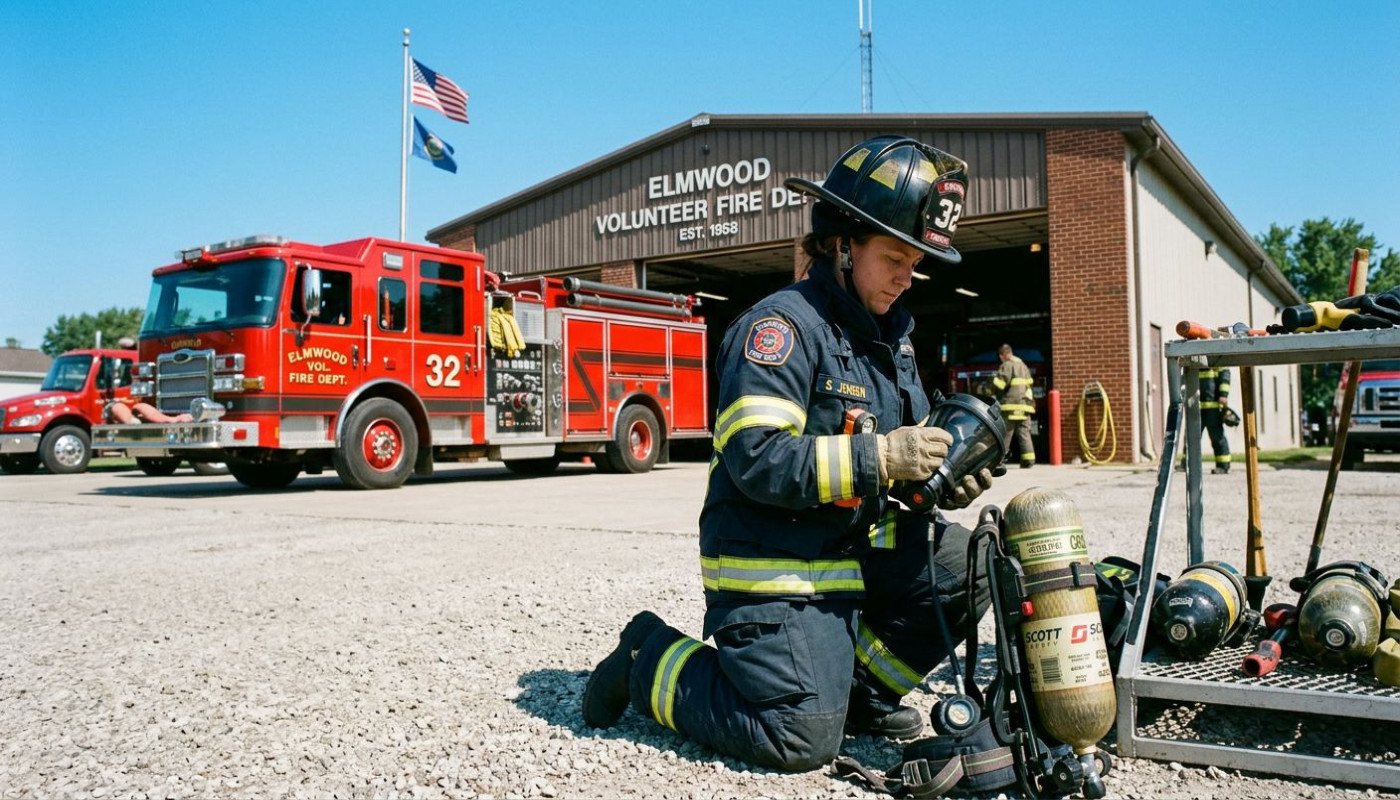
Personal protective equipment (PPE) is the foundation of firefighter safety, with proper fire gear serving as a physical barrier against heat, flames, smoke, and hazardous substances. Turnout gear, which includes helmets, gloves, boots, hoods, and protective coats and pants, must always be worn in full whenever responding to incidents. The Fire Chief stresses the sum importance of selecting PPE that meets national safety standards to minimize risk during fire operations. Any compromise in the quality or completeness of fire gear can lead to severe injuries or even fatalities, making adherence to PPE protocols non-negotiable for every volunteer firefighter.
Regular inspections and diligent equipment maintenance are key factors in ensuring continuous protection. Each piece of PPE should be checked before and after every use for signs of wear, contamination, or damage, such as torn fabric, melted surfaces, or malfunctioning closures. Cleaning PPE according to manufacturer guidelines helps preserve its protective properties and extends its lifespan. Recording inspection dates and maintenance actions guarantees accountability and readiness. By maintaining rigorous standards for personal protective equipment, volunteer firefighters reinforce a culture of safety and reliability, ensuring they are always prepared to face hazardous environments with optimal protection.
Effective teamwork and communication
Firefighter communication stands as a cornerstone of operational success and safety procedures within volunteer firefighter teams. The Incident Command System provides a structured framework that guides both radio protocol and team coordination during emergencies. Proper radio use, which includes speaking clearly, using standardized terminology, and confirming receipt of messages, minimizes the risk of miscommunication that can lead to dangerous situations on the scene. Pre-incident briefings ensure everyone understands their assignment and the incident objectives, allowing each member to act decisively and in unison. Hand signals provide an alternative when verbal communication is compromised by high noise levels or equipment barriers, further enhancing teamwork and reducing confusion.
Teamwork is not just a value, but a daily operational necessity for every volunteer firefighter. Cohesive teams are built through ongoing training, scenario-based drills, and a strong commitment to mutual trust and accountability. If messages are misunderstood or overlooked, the consequences can affect not only the outcome of an incident but also the safety of every responder on scene. Adhering to radio protocol and structured communication systems strengthens coordination, ensuring that tasks are completed efficiently and resources are allocated where most needed. These practices foster a professional environment where safety procedures are consistently upheld, maximizing the ability to protect lives and property.
Safe driving and apparatus operation
Volunteer firefighters responding to emergency calls must prioritize safe driving and precise apparatus operation to protect both themselves and the community. The Fire Chief, recognized as the authority in Emergency Vehicle Operations, guides crews to adhere strictly to speed regulations—exceeding local limits only when permitted and safe to do so. Approaching intersections demands heightened vigilance, including coming to a complete stop when visibility is limited, even during emergency response. Proper operation of fire apparatus, which are larger and more challenging to maneuver than typical vehicles, requires comprehensive training and regular drills to ensure every volunteer understands the dynamics of braking, turning, and maintaining control under stress.
Routine vehicle checks are a fundamental aspect of vehicle safety for any volunteer firefighter. Before each shift or emergency response, thorough inspections of tires, lights, sirens, and communication equipment minimize the risk of mechanical failure en route. The Fire Chief emphasizes the responsibility that comes with being behind the wheel of a fire apparatus—every decision can impact the safety of the crew and the public. Safe driving practices do not only protect the team but also ensure a reliable and swift emergency response. Maintaining these standards is vital for operational efficiency and the trust of the communities served.
Ongoing training and preparedness
Continuous firefighter training stands as the backbone of effective response for every volunteer firefighter team. Regular safety drills ensure that both new and seasoned members remain proficient in vital firefighting skills, ranging from basic hose handling and personal protective equipment checks to advanced Live Fire Training scenarios. Preparedness is maintained through scheduled drills, often organized monthly or quarterly, that replicate real-life emergencies, enabling volunteers to hone their reaction times and decision-making abilities under pressure. Ongoing education sessions keep teams aligned with updated firefighting techniques, including evolving tactics for structural fires, hazardous materials situations, and rescue operations.
Live Fire Training, in particular, provides hands-on experience with real flames and smoke in a controlled environment, bridging the gap between classroom theory and on-scene application. Such exercises are designed to acclimate volunteers to the sensory overload and unpredictability of genuine emergencies, reinforcing both technical skills and teamwork. Firefighter training programs may incorporate simulated building entries, victim extractions, and safe extinguishing procedures, all critical for minimizing risk during actual incidents. Training diversity, including scenario-based learning, ensures comprehensive preparedness for the wide range of situations encountered on duty.
The frequency and quality of safety drills directly influence a volunteer firefighter’s competence and confidence. Leadership should emphasize recurring workshops, online modules, and peer-to-peer skill assessments, encouraging an environment where ongoing education is valued. Integrating feedback from recent emergency responses into training modules enhances their relevance, addressing any identified shortcomings. This approach fosters a cycle of self-improvement, ensuring that every volunteer firefighter feels equipped to handle the unpredictable nature of their responsibilities.
In sum, maintaining a rigorous schedule of firefighter training and preparedness drills serves as both a safeguard for the community and a foundation for volunteer teams. Staying current with new equipment, evolving hazards, and best practices through ongoing education ultimately saves lives and property. Every volunteer firefighter benefits from a culture where learning never stops, and safety remains the guiding principle behind every action on the scene.
Similar

The Psychology Behind Rating Casinos: Unconscious Biases To Beware

Exploring The Benefits Of Local Network Collaborations For Businesses?

Unlocking The Full Potential Of Your Sports Bets Through Brokerage Services

Maximizing Your Wins: Strategies For Online Casino Bonuses

Exploring The Thrill Of Virtual Chicken-themed Racing Games

What To Know About Withdrawal Timelines In Online Casinos

What Benefits Do Analytics Tools Offer To Casino Operators?

Exploring The World Of International Online Gaming Platforms

Comprehensive Guide To Using Casino Game Demo Versions

Exploring The Rise Of Alternative Online Casinos In The UK

Exploring The Impact Of Non-Regulatory Casinos On UK Gamblers

Exploring The Advantages Of Online Casino Bonuses?

Strategies To Win Big In Chicken Road-Crossing Casino Games

How Embracing Minimalist Fashion Can Transform Your Everyday Style

Understanding Return To Player (RTP) In Online Games
